
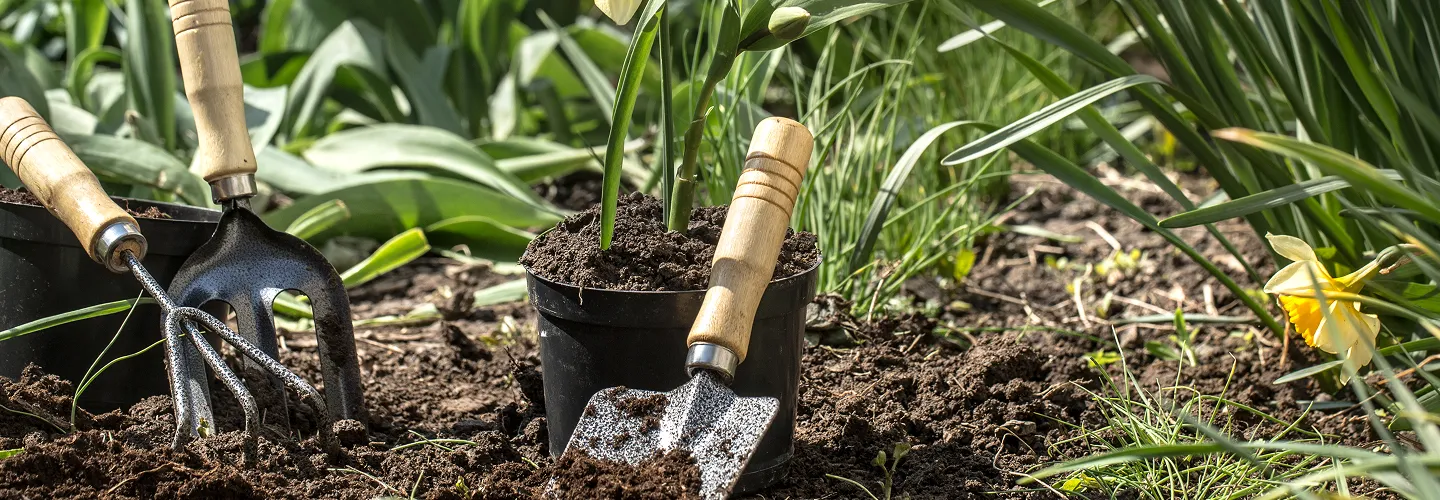
Encanto Village Lawn Renovation Services
Choose our Lawn Renovation services for expert care, premium materials, and a commitment to transforming your yard into a lush, healthy, and beautiful landscape you’ll love year-round.
Get a Free QuoteOur Encanto Village Landscaping & Yard Care Services
When to Schedule Lawn Renovation in Encanto Village, Arizona – Seasonal Guide
Timing your lawn renovation in Encanto Village is crucial for achieving a lush, healthy yard that thrives in our unique desert climate. The best periods for renovation are typically late spring and early fall, when temperatures are moderate and the risk of frost has passed. In neighborhoods like Historic District and around Encanto Park, homeowners benefit from scheduling major lawn work after the last spring frost—usually in late March—or before the first fall frost in early November. These windows allow new grass seed or sod to establish roots before the intense summer heat or winter chill sets in.
Local environmental factors play a significant role in determining the optimal renovation schedule. Encanto Village’s soil tends to be sandy with pockets of clay, requiring careful soil preparation and amendment. Shade from mature trees in areas like Willo and Roosevelt can affect grass growth, while drought risk and municipal watering restrictions may limit renovation options. For more information on local regulations and resources, visit the official municipal website.
Local Factors to Consider for Lawn Renovation in Encanto Village
- Tree density and shade coverage, especially in historic neighborhoods
- Soil composition (sandy vs. clay-heavy areas)
- Average precipitation and drought risk
- Frost dates and seasonal temperature swings
- Terrain and drainage patterns
- Municipal watering restrictions and guidelines
Benefits of Lawn Renovation in Encanto Village
Enhanced Curb Appeal
Improved Lawn Health
Increased Property Value
Expert Local Knowledge
Efficient Water Usage
Customized Landscaping Solutions
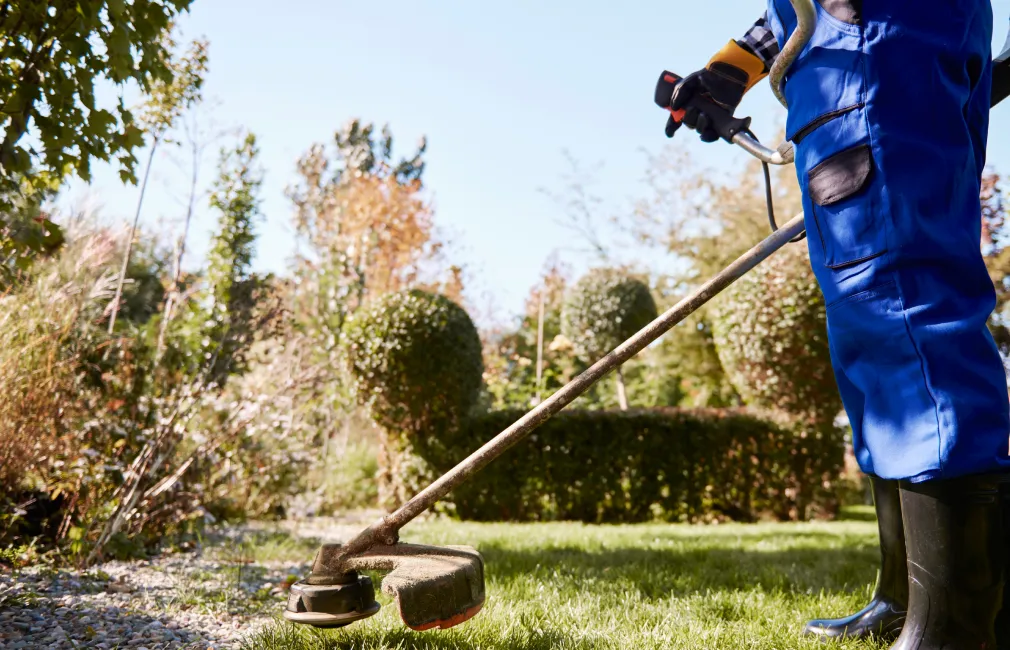
Encanto Village Lawn Renovation Types

Sod Installation
-
Hydroseeding
-
Artificial Turf Replacement
-
Soil Amendment and Grading
-
Drought-Tolerant Lawn Conversion
-
Overseeding
-
Weed and Pest Removal
Our Lawn Renovation Process
Site Evaluation
Soil Preparation
Seeding or Sodding
Watering and Fertilization
Ongoing Maintenance
Why Choose Encanto Village Landscape Services
-
Encanto Village Homeowners Trust Us
-
Reliable Lawn Maintenance
-
Competitive Pricing
-
Professional Team
-
Satisfaction Guarantee
-
Personalized Service
-
Timely Project Completion
Coordinating Lawn Renovation Projects with Encanto Village's Municipal Departments
Lawn renovation in Encanto Village—a historic urban village within the City of Phoenix—requires coordination with several municipal departments, particularly when projects involve grade corrections, irrigation system modifications, or soil import that may affect drainage patterns. Property owners planning renovation work that alters existing grade or stormwater flow should verify current review requirements through the City of Phoenix development services intake process. The Phoenix City Engineer Department oversees grading and drainage concerns that may arise when regrading turf areas adjacent to sidewalks, alleys, or retention basins common throughout Encanto Village's older residential blocks.
- Confirm whether site grading changes require engineering review, especially on lots near public rights-of-way
- Coordinate green waste and removed sod disposal through the city's bulk collection program administered by Public Works
- Verify irrigation modifications comply with current water conservation guidelines through Phoenix Water Services
Phoenix City Engineer Department
200 W. Washington St., Phoenix, AZ 85003
Official Website: Phoenix City Engineer Department
Phoenix Public Works
200 W. Washington St., Phoenix, AZ 85003
Official Website: Phoenix Public Works
How Encanto Village's Low-Desert Soils and Heat Shape Lawn Renovation
Encanto Village sits within USDA Hardiness Zone 10a in the Phoenix low-desert basin, where summer surface temperatures routinely exceed 110°F and soils are predominantly alkaline with pH levels often above 8.0. These conditions create a distinct set of challenges for lawn renovation that differ substantially from higher-elevation Arizona communities. The USDA Web Soil Survey indicates that soils in central Phoenix neighborhoods frequently consist of Gilman and Laveen series loams—calcareous, moderately well-drained profiles that may include compacted fill from decades of residential development. Encanto Village's mature tree canopy, while beneficial for shade, also introduces root competition and uneven moisture distribution across turf zones.
- Soil alkalinity ties up iron and manganese, producing chlorosis in bermudagrass and ryegrass unless corrected during renovation
- Caliche layers at variable depths restrict root penetration and impede drainage, requiring mechanical breaking or soil amendment
- Salt accumulation from long-term irrigation with municipal water concentrates in the root zone, demanding leaching cycles during renovation
- Reflected heat from block walls, driveways, and sidewalks accelerates turf stress along property edges, requiring targeted irrigation adjustments
The University of Arizona Cooperative Extension provides region-specific guidance on turf species selection and soil amendment strategies suited to these low-desert conditions.
Navigating Encanto Village's Regulatory Requirements for Lawn Renovation Work
Lawn renovation projects in Encanto Village must account for several layers of regulatory compliance. While routine turf replacement on residential lots does not typically trigger a building permit, projects involving significant regrading, new irrigation connections, or work within the public right-of-way may require review through Phoenix Planning & Zoning or the City Engineer Department. Property owners should verify current thresholds before beginning work, as requirements may vary depending on lot location and scope.
- Stormwater runoff from renovation sites must not carry sediment, fertilizer, or soil amendments into storm drains or the city's MS4 system, consistent with Arizona DEQ stormwater requirements and the Clean Water Act
- Any pesticide or herbicide application during renovation must be performed by an applicator licensed through the Arizona Department of Agriculture
- Irrigation system changes should align with Arizona Department of Water Resources landscaping conservation guidance, particularly in the Phoenix Active Management Area where groundwater use is regulated
- Removed sod and soil debris must be disposed of through approved channels; dumping organic waste in alleys or near storm inlets is prohibited under city code
Phoenix Environmental Quality & Sustainability Commission
200 W. Washington St., Phoenix, AZ 85003
Official Website: Phoenix Environmental Quality & Sustainability Commission
Timing Lawn Renovation around Encanto Village's Monsoon Season and Heat Cycles
Professional lawn renovation in the low desert follows a seasonal framework dictated by bermudagrass growth cycles and extreme temperature patterns. The Turfgrass Maintenance Guide for Low Elevation Arizona identifies late spring through early summer as the primary window for bermudagrass establishment, when soil temperatures consistently exceed 80°F and active stoloniferous growth supports rapid recovery. Renovation work should be substantially complete before the monsoon season begins in mid-June, as intense rainfall events can wash away unseeded soil, displace amendments, and overwhelm newly graded surfaces.
- Soil correction: incorporate gypsum for sodium displacement and sulfur for pH reduction during the initial grading phase, allowing irrigation cycles to work amendments into the profile before planting
- Grade repair: address low spots, settlement areas, and drainage inconsistencies before laying sod or seeding; target positive drainage away from foundations and toward approved collection points
- Irrigation audit: test coverage uniformity, head spacing, and pressure before establishing new turf; replace clogged or misaligned heads and verify run times match the higher demand of establishment watering
- Overseeding context: if renovation includes fall overseeding with perennial ryegrass, schedule core aeration and dethatching of the bermudagrass base in September before ryegrass seeding in October when soil temperatures drop below 80°F
Avoid major soil disturbance during peak summer heat above 115°F, as exposed soil desiccates rapidly and newly planted turf faces extreme transplant shock without continuous irrigation support.
What Neighborhoods Do We Serve Throughout Encanto Village, AZ?
- Encanto-Palmcroft Historic District — Mature irrigated lots with established bermudagrass lawns often require renovation to address decades of soil compaction, salt buildup, and root competition from large shade trees.
- Woodland Historic District — Smaller residential parcels with mixed turf and hardscape benefit from grade correction and irrigation audits during renovation to improve water distribution efficiency.
- Windsor Square — Mid-century homes with traditional front lawns frequently need soil amendment and sod replacement to restore turf damaged by reflected heat from adjacent block walls and driveways.
- Encanto Manor — Properties in this area commonly feature older flood-irrigation systems that may require conversion or supplementation during a full lawn renovation.
- Country Club Park — Larger lots near the Arizona Country Club corridor present opportunities for comprehensive renovation including drainage improvement and bermudagrass re-establishment.
- Coronado Historic District — Compact urban lots with limited access require careful staging of soil import and debris removal during renovation projects.