
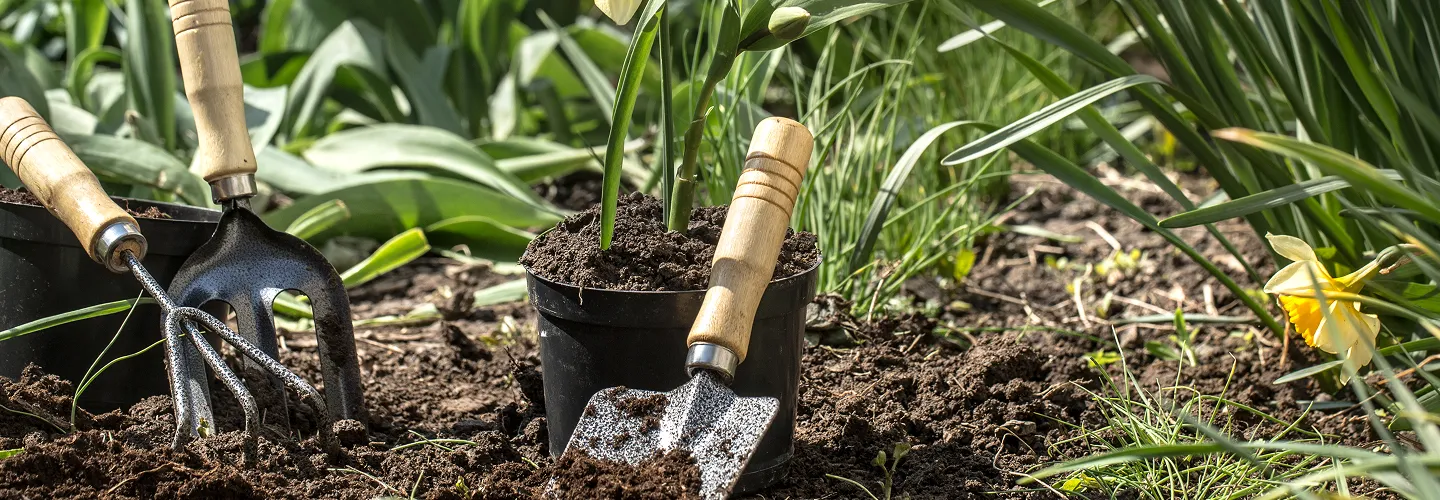
Encanto Village Flower Planting Services
Choose our Flower Planting services for expert care, vibrant seasonal selections, and a personalized approach that ensures your garden flourishes with color and charm all year round.
Get a Free QuoteOur Encanto Village Landscaping & Yard Care Services
When to Schedule Flower Planting in Encanto Village, Arizona – Seasonal Guide
Flower planting in Encanto Village, Arizona, is best scheduled with careful attention to the area’s unique climate and landscape. The optimal planting windows are typically in early spring (late February to March) and again in early fall (late September to October), when temperatures are milder and the risk of frost is minimal. Encanto Village’s proximity to the Encanto Park and the Roosevelt Historic District means that microclimates can vary, especially in areas with mature tree canopies or near water features. Local soil tends to be sandy-loam with moderate drainage, which supports a wide variety of annuals and perennials, but may require soil amendments for moisture retention during the hotter months.
When planning your flower planting, it’s important to consider environmental factors such as the average last frost date (typically mid-February), the potential for summer drought, and the impact of monsoon season humidity. Neighborhoods like Willo and Fairview Place often have established shade trees, which can affect sunlight exposure and soil moisture. Additionally, municipal guidelines and local resources can provide up-to-date information on water restrictions and recommended planting practices to ensure your landscape thrives year-round.
Local Factors to Consider for Flower Planting in Encanto Village
- Tree density and shade coverage in your yard
- Soil type and drainage characteristics
- Average precipitation and monsoon season timing
- Risk of late frost or early heat waves
- Municipal water use restrictions
- Proximity to landmarks like Encanto Park or the Arizona State Fairgrounds
- Terrain variations, such as slopes or low-lying areas
Benefits of Flower Planting in Encanto Village
Enhanced Curb Appeal
Increased Property Value
Seasonal Color Variety
Expert Plant Selection
Low-Maintenance Solutions
Eco-Friendly Landscaping

Encanto Village Flower Planting Types

Seasonal Annual Flower Beds
-
Perennial Garden Installations
-
Native Wildflower Meadows
-
Pollinator-Friendly Plantings
-
Drought-Tolerant Landscapes
-
Shade Garden Designs
-
Color-Themed Flower Borders
Our Flower Planting Process
Site Evaluation
Soil Preparation
Plant Selection
Careful Planting
Watering and Mulching
Why Choose Encanto Village Landscape Services
-
Encanto Village Homeowners Trust Us
-
Reliable Lawn Maintenance
-
Competitive Pricing
-
Professional Team
-
Satisfaction Guarantee
-
Personalized Service
-
Timely Project Completion
Coordinating Flower Planting Projects with Phoenix Municipal Programs in Encanto Village
Encanto Village is an urban village within the City of Phoenix, and flower planting projects on residential and commercial properties may intersect with several municipal processes. Property owners planning flower installations along public-facing frontages, parkway strips, or near rights-of-way should verify whether the scope of work triggers any site-level review through the city's development services. Phoenix Parks and Recreation maintains landscape standards for public-facing areas and can provide guidance on species compatibility with adjacent municipal plantings. For projects that involve irrigation modifications or new emitter lines tied to the city water system, the Arizona Department of Water Resources offers landscaping conservation guidance relevant to low-desert flower selection.
- Confirm whether flower planting near sidewalks or parkway areas requires coordination with city right-of-way standards
- Review irrigation changes with the water utility if expanding drip zones or adding new emitter circuits
- Dispose of removed plant material, old soil amendments, and packaging through the city's green waste collection process rather than placing debris near storm drains or curb inlets
Phoenix Parks and Recreation
Phoenix, AZ
Official Website: Phoenix Parks and Recreation
Phoenix Water Services
Phoenix, AZ
Official Website: Phoenix Water Services
How Encanto Village's Low-Desert Heat and Alkaline Soils Affect Flower Planting
Encanto Village sits in the Phoenix metro low desert, classified within USDA Hardiness Zone 10a, where summer temperatures routinely exceed 110°F and winter lows rarely dip below the upper 30s. These conditions define which flowering species can survive and which planting windows are viable. Soils across much of central Phoenix tend toward alkaline sandy loam, often with caliche layers at variable depths that restrict root penetration and drainage. The USDA Web Soil Survey can help identify the specific soil series present on a given parcel.
- Alkaline pH: Most Encanto Village soils register above 7.5 pH, which limits iron and micronutrient availability for many flowering annuals and perennials; soil amendments such as sulfur or chelated iron may be necessary
- Caliche obstruction: Hardpan caliche layers can trap water above the root zone, leading to root rot in species that require well-drained conditions
- Reflected heat: Encanto Village's older block walls, concrete driveways, and south-facing exposures create microclimates that intensify radiant heat, accelerating flower stress and increasing irrigation demand
- Monsoon exposure: July through September monsoon storms deliver intense, short-duration rainfall that can wash out newly planted beds, erode mulch, and deposit sediment into adjacent drainage paths
Navigating Encanto Village's Zoning and Environmental Compliance for Flower Planting
Flower planting on private residential lots in Encanto Village does not typically require a formal permit, but several regulatory layers apply when projects involve grading, irrigation infrastructure changes, or proximity to drainage corridors. Phoenix's Planning and Zoning division administers land-use standards that may affect frontage landscaping in certain zoning overlays, particularly within historic districts common to the Encanto area. Properties adjacent to the Grand Canal or other flood-control infrastructure should verify setback and planting restrictions through the city engineering office.
- Stormwater compliance under the Arizona DEQ Phase II MS4 program requires that landscaping activities not discharge sediment, fertilizer, or soil amendments into storm drains or washes
- Any chemical soil treatments or pesticide applications associated with flower bed preparation must be performed by individuals holding valid credentials through the Arizona Department of Agriculture licensing program
- Properties within Phoenix historic preservation zones may face additional review for landscape alterations visible from the public right-of-way; verify current requirements with the city before modifying front-yard planting areas
Phoenix Environmental Quality and Sustainability Commission
Phoenix, AZ
Official Website: Phoenix Environmental Quality and Sustainability Commission
Timing and Methods for Flower Planting in Encanto Village's Desert Climate
Professional flower planting in the low desert follows two primary installation windows. The fall window, from mid-October through late November, allows cool-season annuals such as petunias, snapdragons, stock, and pansies to establish root systems before the mild winter growing period. The spring window, from late February through mid-March, suits warm-season and desert-adapted perennials including lantana, desert marigold, angelita daisy, and salvia, which must root before extreme summer heat arrives.
- Soil preparation: Amend planting beds with compost or organic matter to improve water retention in sandy alkaline soils; test pH before planting and apply sulfur amendments if readings exceed 8.0
- Irrigation setup: Install drip emitters at the base of each plant grouping rather than relying on overhead spray, which wastes water and promotes foliar disease in the dry desert air
- Mulch application: Apply 2–3 inches of organic or decomposed granite mulch around plantings to moderate soil temperature, reduce evaporation, and prevent monsoon washout
- Exposure management: Position heat-sensitive species on east-facing or north-facing exposures where afternoon shade from structures or trees reduces radiant heat stress
- Post-planting monitoring: Increase emitter run times during the first two weeks of establishment, then taper to a deep, infrequent schedule that encourages root depth rather than surface dependency
What Neighborhoods Do We Serve Throughout Encanto Village, AZ?
- Encanto-Palmcroft Historic District — Mature shade trees and established irrigated lots create favorable microclimates for a wide range of flowering species, though root competition from large trees requires careful emitter placement and species selection.
- Woodland Historic District — Older residential parcels with deep setbacks and mixed sun-shade exposure support both cool-season annuals and heat-tolerant perennials, with irrigation systems that may need updating before new plantings.
- Windsor Square — Mid-century lots with block-wall enclosures generate significant reflected heat along south and west exposures, requiring heat-adapted flower choices and supplemental afternoon shading strategies.
- Encanto Manor — Compact residential lots with limited planting area benefit from container and raised-bed flower installations that allow better soil control in areas where native soils are compacted or alkaline.
- Country Club Park — Properties near the Arizona Country Club corridor feature irrigated landscapes with established turf borders, where flower bed integration must account for existing sprinkler zones and drainage patterns.
- Alvarado Historic District — Historic-district landscape guidelines may influence front-yard flower planting visibility and material choices; property owners should confirm any applicable review standards before installation.